
As you get more and more experienced with genealogy, chances are you may get so far back in your family tree that you run into a brick wall! No matter how hard you try, you just can’t get past that one ancestor. Below, find seven tips to help you when you get to that point – you can do this.
1. Research Collateral Lines:
First and foremost, if you hit a brick wall, be sure to expand your research beyond direct ancestors to their siblings, cousins, and extended family members (FAN METHOD – researching friends, associates, and neighbors to find more clues about your own ancestor). Collateral lines can provide valuable clues and information that may help you to find more information on your direct family tree. These lines, especially sibling lines, may include more information about a shared ancestor multiple generations back than your own direct ancestors’ records may have included.
2. Utilize Local and Regional Archives:
Researching at local and regional archives can provide access to records that may not be available online. Archives are home to unique and lesser-known documents, such as land records, tax lists, court records, and local family histories. Visiting or contacting these archives, both in Europe and where you now live, can potentially provide valuable information for breaking through brick walls! Don’t let the fact that some records are not available online hold you back.
3. Explore Historical Newspapers:
Newspapers can be a treasure trove of information for genealogy research. Search for obituaries, marriage announcements, birth notices, and other relevant articles. Look for mentions of your ancestors, their family members, and significant events in their lives. Newspapers.com is one of my own favorite sites, and it’s so fun to use. See Eight Reasons You Should Be Using Newspapers.com For Your Genealogy Research for more information.
4. Analyze and Cross-Reference Multiple Sources:
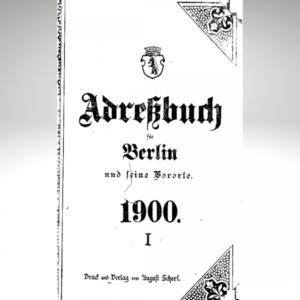
Gather and analyze as many sources as you can for your ancestors, such as vital records, wills, land records, military records, church records, address books, and more. Compare and cross-reference the information from different documents to confirm details and uncover new pieces of information that may not have been included on your original record. Different records were meant to include different types of information, so don’t stop at just one!
5. Don’t Forget About Wills:
Wills can offer significant insights into family relationships, inheritance patterns, and the distribution of assets. Try to find wills, inventories, guardianship records, and other related documents for your ancestors. Look for the names of heirs, witnesses, and executors, as well as the relationships and properties mentioned – these can help you break down brick walls too!

6. Take Multiple DNA Tests:
DNA matches and shared segments can provide vital clues to connect with distant relatives and uncover hidden branches of your family tree. Work together with your DNA matches, build family trees, and utilize specialized DNA tools to analyze data for breakthroughs in your research. For more information on DNA tests, see Being Genetically German: Understanding the DNA Tests.

7. Join German Genealogy Societies and Online Communities:
We can learn so much from others, especially those who have been in our shoes and are on similar research paths as we are. Joining local German genealogy societies or online communities can provide access to valuable resources, research tips, and collaboration opportunities. Look for genealogy societies in your own hometown, and check out online communities for the region you are researching in Germany/Austria/Switzerland. They are there to help!
Good luck with your research!
What tips do you have for breaking down brick walls? Let us know in the comments!
2 Responses
I hit an unexpected gold mine when I googled the city in Germany my ancestors came from.
One of the things , that showed up, was an author who researched the town history and her email address. Just for the heck of it, I sent her an email and she contacted me the next day very excited. Turns out her book was to be sent to her publisher in 6 weeks and wanted to know if I could add anything.
I inherited from my grandfather, William Casper Buechner, a family reunion book from 1905 in Kalamazoo, Mich. In the beginning of the book, was the story of how the first Buechners came to America. For some reason, the first Buechners changed the surname spelling from the original spelling of Buchner when they first arrived in America. The reunion book also had photos of them and each descendant.
I sent copies of what I had to the author. Immediately, she sent me a release form because she wanted to include the story and photos in her new book. She, also, gave me the names another generation to add to my family tree. Amazingly, the author found out she and I were distantly related!
Moral of the story is, you just never know when random searches will turn out to be incredible finds.
Use church books for more than the usual birth-marriage-death records. In the local Moravian churches, it was common for the pastor to maintain a church DIARY, recording events of note for the church and its members. It was also common practice to request each member to provide a basic autobiography. Then, upon their death, the pastor would transcribe this biography in the local church diary. What better way for us to learn birth, marriage and possible immigration details than in our ancestor’s own words!
(Also, on a more personal note, thank your daughter for marrying the son of a professional genealogist who specializes in German genealogy!)